
Dubai's manufacturing environment is increasingly connected to advanced production, technology adoption and globally integrated supply chains. As industrial facilities modernize, integrating different automation technologies becomes an important engineering consideration.
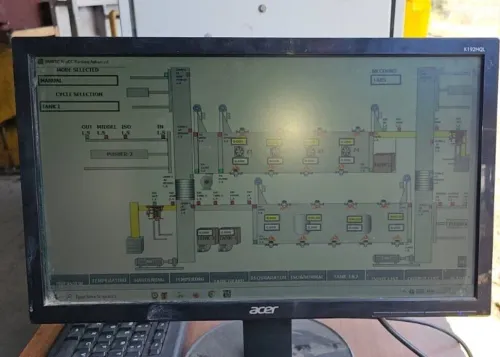
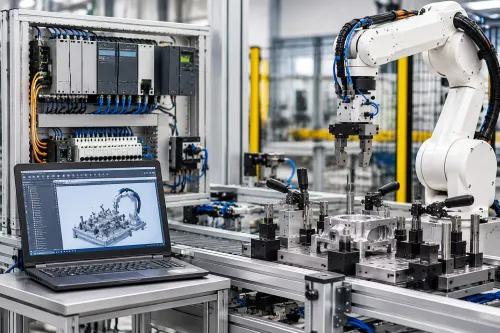
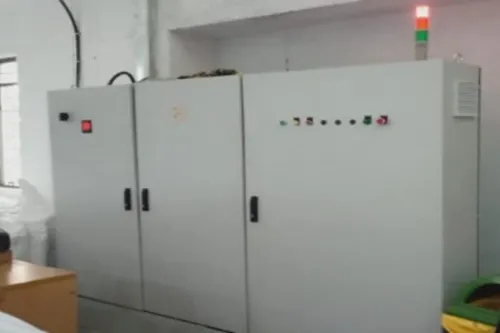
An Industrial Automation System Integrator helps coordinate PLCs, HMIs, drives, communication systems, field devices and supervisory functions around the requirements of a production process.
A practical integration project begins with understanding the existing plant architecture. Engineers can identify machine interfaces, control responsibilities, communication requirements and equipment that may remain in service.
Multi-brand environments require particular attention. A facility may contain Siemens equipment alongside Mitsubishi, Delta or Xinje systems installed during different stages of development. The integration strategy should focus on compatibility and required functionality rather than automatically replacing suitable existing equipment.
Control responsibilities should also be clearly defined. Where multiple machines or controllers interact, each system needs a clear role and properly mapped signals.
Testing should cover complete production sequences, including communication, interlocks, alarms and recovery conditions. This helps identify integration issues before the system enters routine production.
Documentation is equally important. Network architecture, I/O mapping, control logic and equipment information can provide maintenance teams with a reliable reference after commissioning.
For manufacturers planning automation modernization or multi-platform integration, IkodeAutomation can discuss Industrial Automation System Integrator requirements in Dubai, United Arab Emirates based on the existing plant architecture and project objectives.