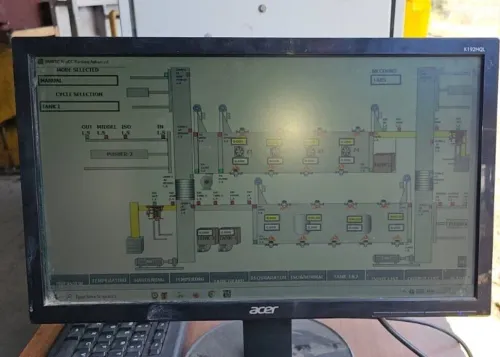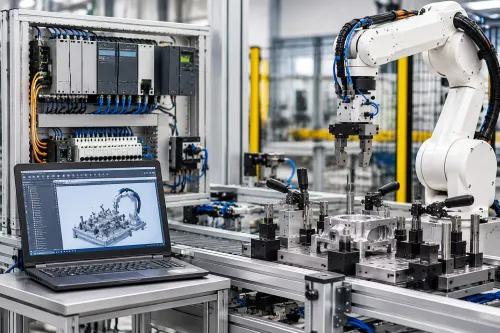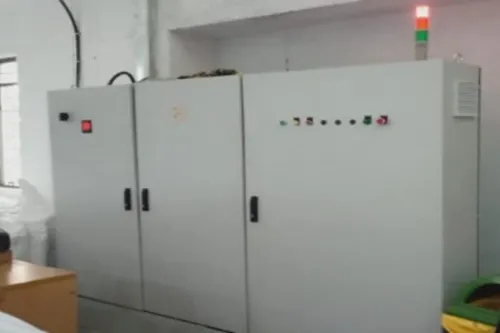

Control-panel engineering influences electrical organization, component accessibility, heat management and the maintainability of an automation system.
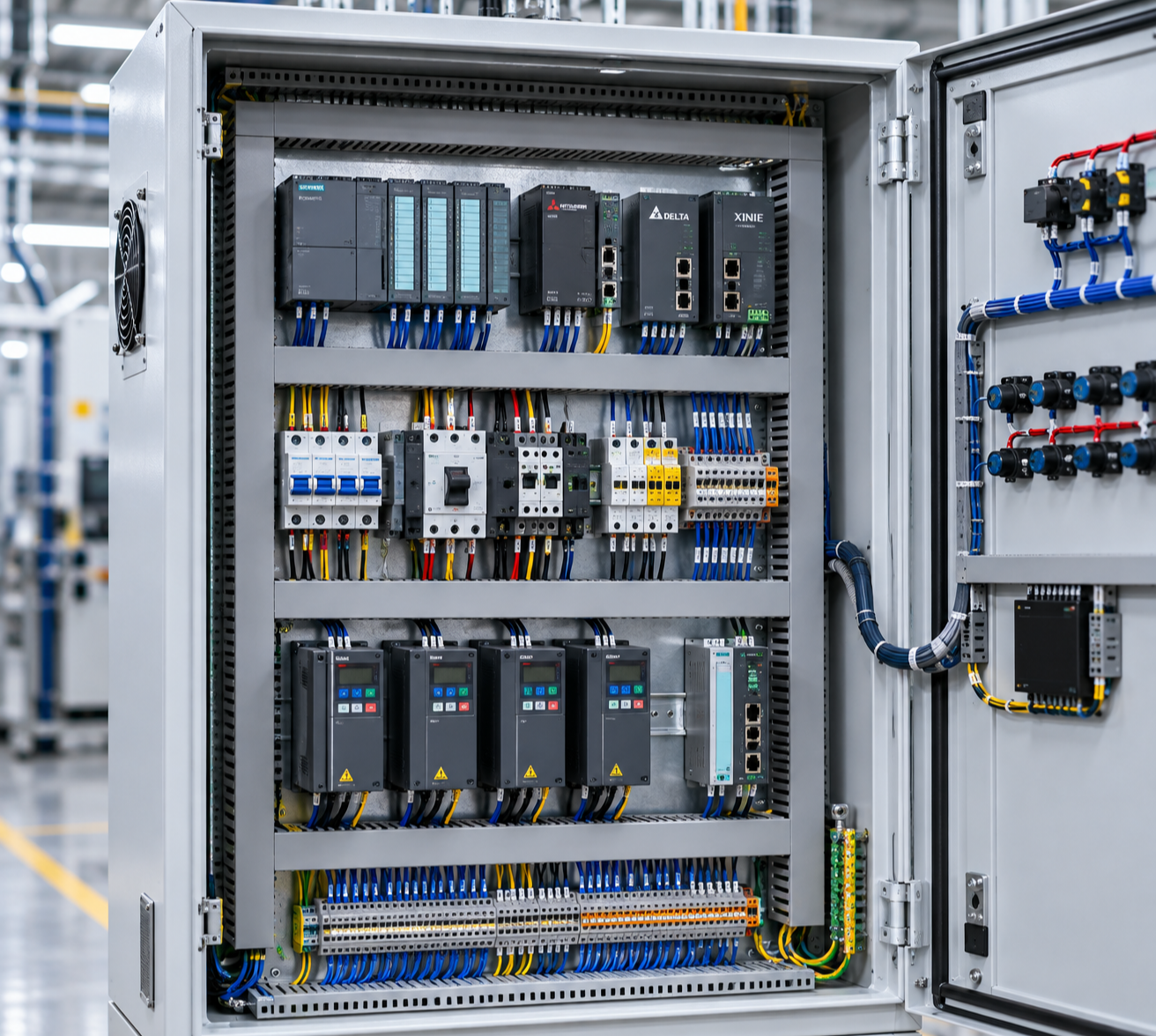
Industrial Control Panel Engineering covers the planning and arrangement of controllers, power supplies, protection devices, terminals, drives, communication equipment and associated electrical components.
The design should begin with the machine's electrical and control requirements. Component selection can then be considered according to load characteristics, environmental conditions and the wider automation architecture.
Different automation platforms may influence the panel configuration. Siemens, Mitsubishi, Delta or Xinje components can be incorporated where their capabilities align with the application and existing control environment.
Physical layout is also important. Frequently serviced components should remain reasonably accessible, while wiring and terminal arrangements should support straightforward identification during commissioning and troubleshooting.
Environmental conditions require attention in industrial installations. Temperature, dust, moisture and enclosure requirements can influence component selection and panel design.
Future expansion is another consideration. If additional I/O, communication devices or control functions are expected, appropriate provisions in the original design may make later modifications easier.
Documentation completes the engineering process. Electrical drawings, terminal schedules and component references give maintenance teams a useful technical reference after installation.
For manufacturers and engineering teams reviewing panel requirements, IkodeAutomation can discuss Industrial Control Panel Engineering in Dubai, United Arab Emirates according to electrical, automation and maintenance requirements.