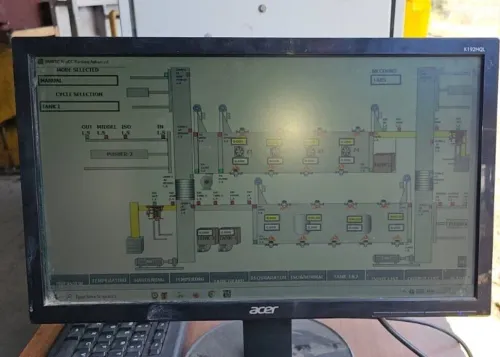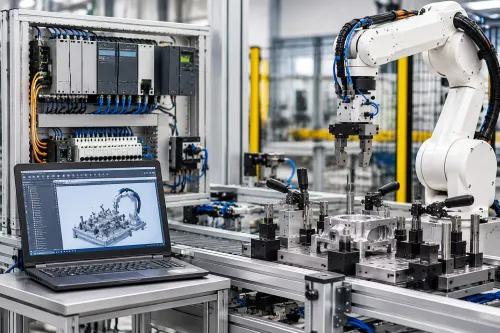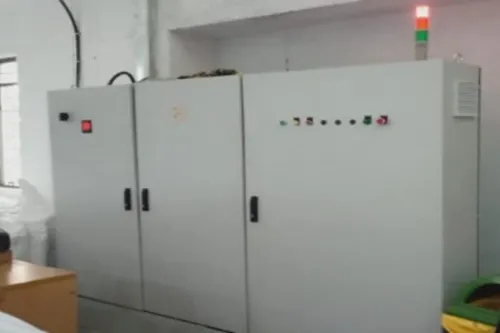

As manufacturing equipment becomes more automated, PLC software needs to provide predictable machine behavior while remaining understandable for future maintenance and modifications.
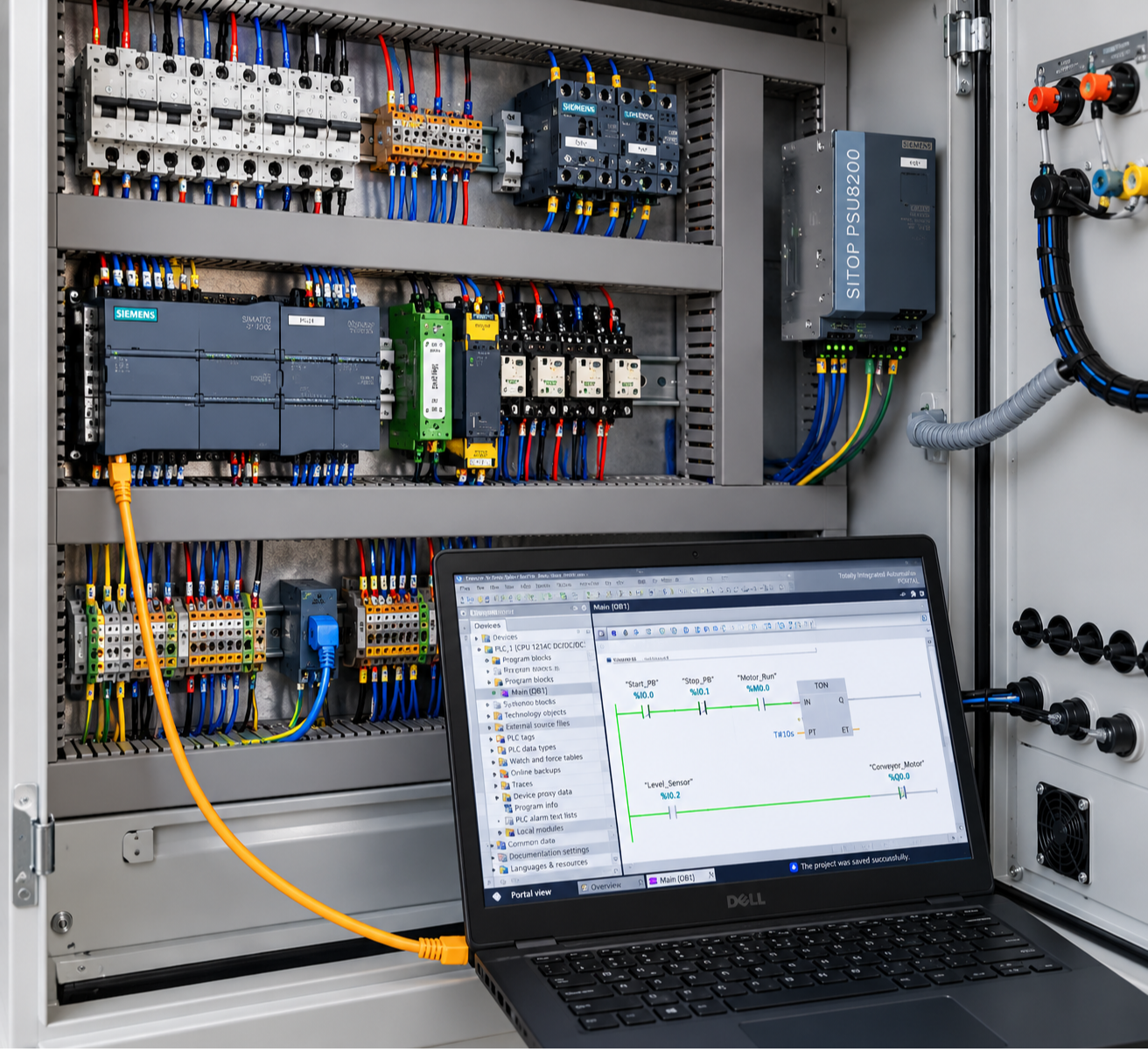
PLC Programming Services support the development, modification and optimization of control logic for industrial machines and production systems.
Programming should begin with the actual machine sequence. Inputs, outputs, sensors, actuators, permissives, interlocks and operator actions can be mapped before the software structure is finalized.
The PLC platform should fit the wider automation environment. Siemens, Delta, Mitsubishi or Xinje controllers may be appropriate depending on machine requirements, existing equipment and communication architecture.
Program organization can influence long-term maintenance. Meaningful tags, structured sequences and useful diagnostics can make it easier for engineering teams to understand why a machine has stopped or why a particular condition has occurred.
Existing equipment requires additional care. A PLC may communicate with drives, HMIs, remote I/O and other controllers, so modifications need to be assessed against these dependencies.
Testing should cover normal production as well as relevant fault and recovery conditions. This can help verify whether the machine responds correctly when an expected signal is unavailable or an interlock is triggered.
Documentation should reflect the final program and associated control architecture so future maintenance does not depend entirely on the original programmer.
For manufacturers developing new machinery or upgrading existing controls, IkodeAutomation can discuss PLC Programming Services in Dubai, United Arab Emirates according to machine sequence, hardware and integration requirements.