

Course titles hide major differences in entry level, controller platforms, laboratory access, safety content and assessment quality. By comparing the target job, technical syllabus, practical workload and certificate status, you can select a Dubai course that proves the skills your next employer actually needs.
Key takeaways
- Choose training based on the job you want, not the certificate name.
- Compare technician, programmer, integrator and engineering routes before enrolling.
- Confirm the syllabus includes robot programming and complete cell integration if required.
- Ask Dubai providers for lab hours, instructor experience and assessment details.
Start with the job you want, not the certificate title
The phrase certified automation robotics engineer for course in Dubai describes a search, not a regulated qualification. Match the course to the work you want to perform:
| Course route | Best fit | Choose it when |
|---|---|---|
| Certified Automation and Robotics Engineer | Robotics integrator, commissioning engineer, automation project engineer | You need PLC–robot handshaking, cell sequencing, industrial Ethernet, safety circuits, fault recovery and complete-cell integration. |
| Certified Automation Engineer | PLC programmer, controls engineer, electrical automation engineer | Your target work centres on PLC logic, HMI screens, drives, sensors, I/O diagnosis and control-panel troubleshooting rather than robot programming. |
| Fast Track Certified Automation | Maintenance technician, automation operator, experienced electrician or technician | You already understand industrial equipment and need focused, job-ready skills for fault finding, basic PLC changes and production support. |
| Diploma in Advanced Industrial Automation | Junior automation engineer or project engineer building broad foundations | You need structured coverage of electrical systems, PLCs, instrumentation, robotics, safety, commissioning and documentation over a longer learning path. |
Treat the certificate title as a label, not proof of competence. Ask whether the award comes from the training provider, a robot manufacturer, or an independently accredited awarding body, then check what recognition that issuer actually provides.
For engineering work, reject a syllabus that says only “robot safety.” It should teach risk assessment, safety-function validation, ISO 13849-1 Performance Levels or IEC 62061 Safety Integrity Levels, plus a practical assessment covering I/O diagnosis, program execution, safe restart and recovery from faults.
Compare the four course routes and their entry requirements
The main difference is depth: a broad automation course builds controls foundations, while an engineer-level robotics route expects you to connect, commission and troubleshoot a complete cell.
| Route | Level | Entry requirements |
|---|---|---|
| Certified Automation and Robotics Engineer | Integrator-focused; combines PLCs, robot programming, safety, networks, commissioning and fault recovery | Electrical or mechatronics knowledge, basic mathematics, programming ability and industrial exposure; prior PLC work is strongly useful |
| Certified Automation Engineer | Controls-focused; prioritises PLC logic, drives, instrumentation, HMI and industrial communications | Electrical fundamentals, algebra, control-system interest and basic programming; PLC experience helps but is not always required |
| Fast Track Certified Automation | Compressed route for learners who already understand industrial controls | Prior PLC programming, electrical troubleshooting or automation experience; unsuitable if you need first-principles instruction |
| Diploma in Advanced Industrial Automation | Broadest and most structured route, covering automation engineering across several systems | Technical diploma, engineering education or equivalent industrial experience; expect mathematics, electrical theory and sustained practical study |
Treat those prerequisites as screening questions, not universal rules. Providers set their own admission standards, so ask whether mathematics is tested, whether you must submit PLC projects and how they assess prior industrial exposure.
For an automation robotics certification in Dubai, verify the award’s status before enrolling. It may be a provider completion certificate, a robot-manufacturer credential or an independently accredited qualification; “certified” does not make these equivalent.
Choose the robotics-engineer route only if assessment includes a working cell: program execution, PLC-robot handshaking, I/O diagnosis, safety-chain trips, fault recovery and safe restart. A multiple-choice exam alone proves far less.
Check whether the syllabus teaches programming or complete cell integration
A syllabus teaches programming when it stops at pendant routines; it teaches integration when you must make the robot, PLC, drives, safety circuit and networked I/O operate as one cell. For a robotics automation course in Dubai, inspect the practical outcomes, not the word “engineer” in the title.
Look for these integrator-level subjects:
- PLC programming with sequencing, timers, interlocks, analog I/O and robot handshaking
- Robot frames, mastering, tooling, payload setup, motion routines and recovery after interrupted cycles
- Industrial Ethernet, networked I/O, variable-speed drives or servos, HMI alarms and data exchange
- Cell architecture, cycle-time logic, material flow, changeover strategy and electrical documentation
- Risk assessment, safety relays or safety PLCs, guard switches, emergency stops and safe restart
- Commissioning, fault diagnosis, backup and restore, validation, as-built drawings and maintenance handover
An operator course focuses on safe start-up, normal production and routine fault recovery. A programmer course adds teach-pendant programming and tooling but might not cover PLC communications, safety validation or commissioning. Maintenance training prioritises diagnostics, mastering, component replacement and restoring a known-good backup.
Simulation helps with offline programming and layout checks, but it cannot reproduce cable faults, safety-chain trips, calibration errors or payload changes. Ask whether the lab uses an industrial controller, teach pendant, safety interface, PLC and networked I/O, then request a practical rubric requiring complete-cell troubleshooting rather than a multiple-choice exam.
Measure the learning experience behind the certificate
A certificate title tells you less than the work required to earn it. Compare the course using its documented syllabus version, total learning hours and weekly workload.
| Measure | Strong evidence | Warning sign |
|---|---|---|
| Duration and workload | Calendar with contact hours, self-study hours and weekly deadlines | “Flexible” duration with no hour total |
| Schedule and delivery | Fixed evening, weekend or blended sessions; named online and classroom activities | Recorded videos presented as instructor-led training |
| Practical labs | Itemised PLC, robot, HMI, drives and I/O lab hours using named platforms | “Hands-on” with no equipment list or lab-hour count |
| Assessment | Practical rubric covering program execution, I/O diagnosis, fault recovery and safe restart, plus examination rules and retake policy | Multiple-choice test alone |
| Certificate recognition | Named issuer, verification method, validity, renewal terms and employers or projects that recognise it | “Internationally accredited” without an awarding or licensing body |
For certified automation engineer training in dubai, ask whether the certificate is provider-issued, manufacturer-issued or independently assessed. These awards are not interchangeable, and a provider’s permission to teach does not make the certificate an internationally accredited engineering qualification.
Check the safety content before paying. Engineering-level training should teach risk assessment, safety-function validation, ISO 13849-1 Performance Levels or IEC 62061 SIL ratings. Cobot modules should address safeguarded spaces, speed-and-separation monitoring, power-and-force limiting, protective stops, payload hazards and ISO/TS 15066—not claim that collaborative robots are automatically safe.
Use a buyer’s checklist before choosing a Dubai provider
Ask for records, not the word “certified.” If you searched for a certified automation robotics engineer for course in Dubai, confirm whether the award comes from the provider, a robot manufacturer, or an independent or accredited awarding body. These credentials are not interchangeable.
- Request the syllabus version, total learning hours, practical-lab hours, controller and PLC platforms, instructor credentials, examination rules, retake policy, certificate issuer, validity period and renewal conditions.
- Demand a practical assessment rubric. It should score PLC–robot handshaking, digital and analog I/O diagnosis, fault recovery, safe restart, backups and program execution—not only a multiple-choice test.
- Check for functional-safety training: risk assessment, safety-function design and validation under ISO 13849-1 Performance Levels PL a–e or IEC 62061 Safety Integrity Levels SIL 1–3.
- Ask for a redacted project pack containing an I/O list, cell sequence, safety circuit, commissioning checklist, fault log and as-built drawings.
| Evidence | Commissioning | Lifecycle maintenance | Integration |
|---|---|---|---|
| Practical task | Start up a cell, test I/O and recover faults | Diagnose failures and restore a known backup | Build and validate a complete cell |
| Documentation | Commissioning records and acceptance tests | Change history, backups and preventive-maintenance instructions | Electrical drawings, PLC–robot map and risk assessment |
| Recognition | Employer or project references | Renewal and platform-update requirements | Awarding-body or manufacturer verification |
For certified automation engineer training in Dubai or an automation robotics certification in Dubai, ask who recognises the award. IkodeAutomation |08048033508 can help you test whether a robotics automation course in Dubai reflects real integration documents rather than a certificate-only assessment.
Related products
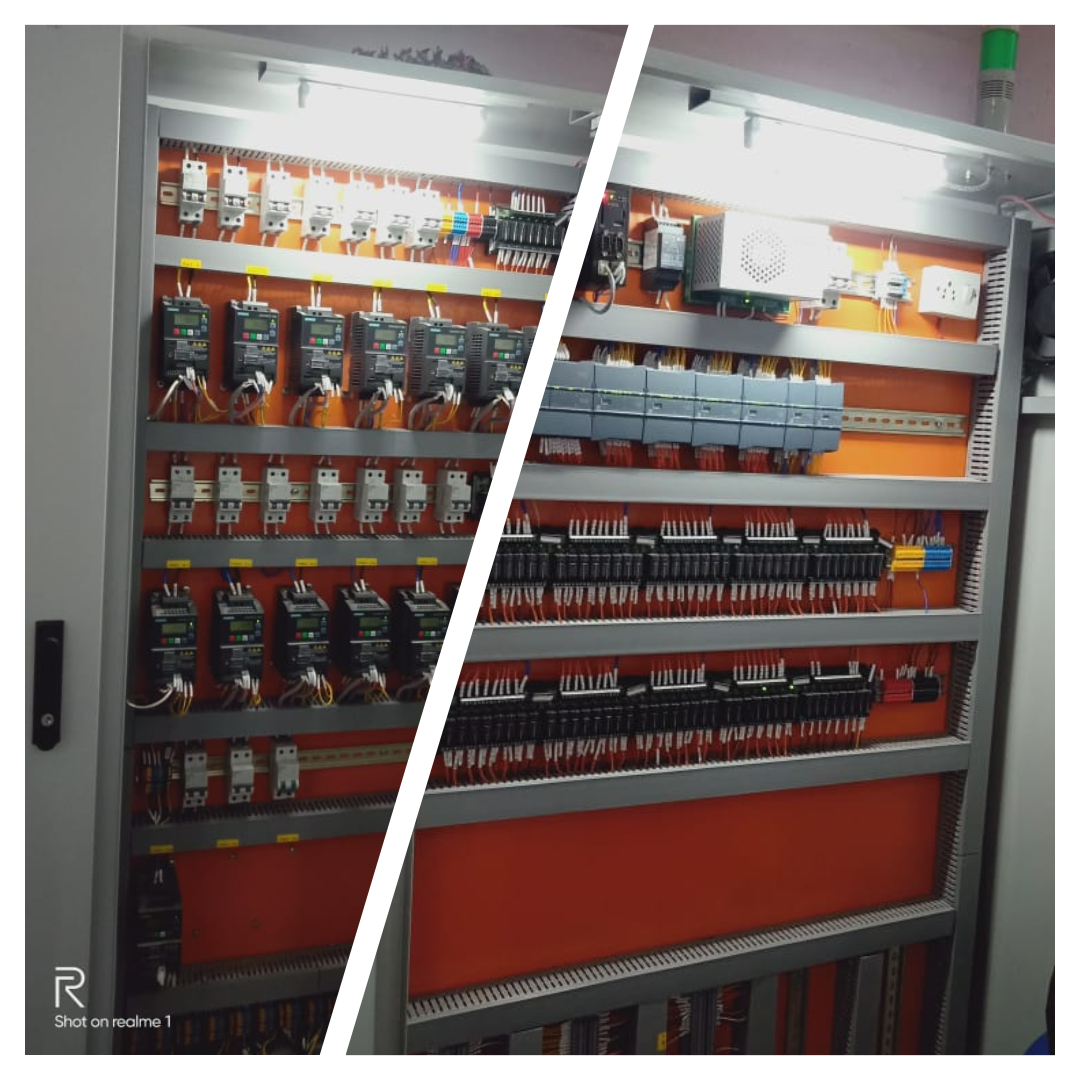 | Automation Training A Certified Automation Engineer is a professional who has earned certification in the field of automation and robotics. View product → |
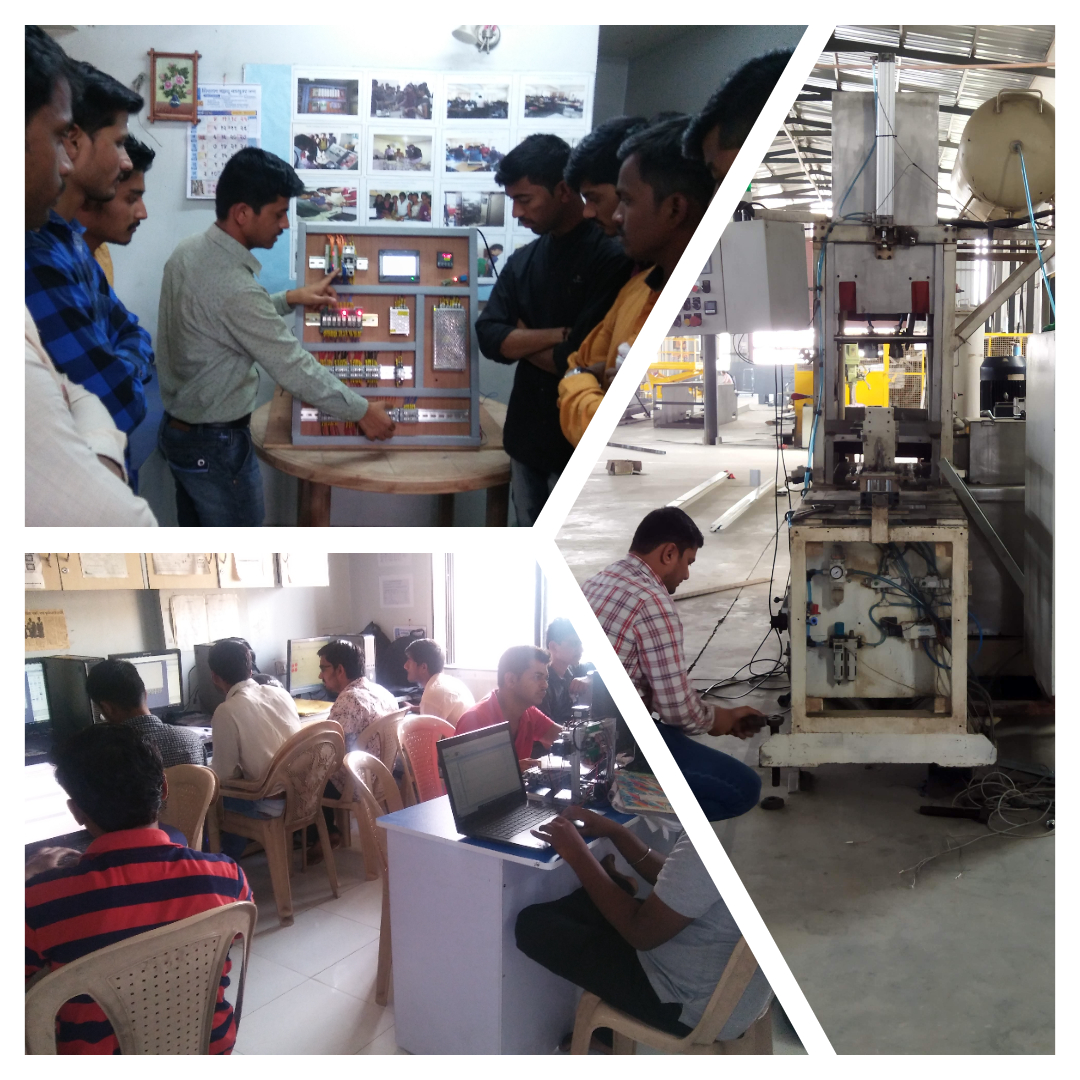 | Automation Training Fast Track Certified Automation Course A Fast Track Certified Automation program would typically cover the fundamentals of automation and robotics, as well as the technologies and tools... View product → |
Frequently asked questions
What job should guide your choice of an automation robotics course?
Start with the role you want: maintenance technician, robot programmer, systems integrator or automation engineer. Each route requires different depth in electrical controls, programming, safety and project design.
What are the main course routes and their entry requirements?
The four routes are technician, robot programming, systems integration and automation engineering. Entry requirements range from practical maintenance experience to electrical, mechanical, controls or engineering qualifications.
How can you tell whether a syllabus teaches programming or complete cell integration?
Check for named software, robot programming exercises, PLC and HMI work, safety circuits, end-of-arm tooling, sensors, commissioning and troubleshooting. A programming-only course will not cover every integration task.
What should you check about the learning experience behind a certificate?
Ask how many supervised lab hours you receive, which robot brands and controllers you use, how assessments work, and whether instructors have commissioning experience.
What should you ask a Dubai automation training provider before enrolling?
Request the syllabus, entry requirements, lab schedule, assessment method, instructor background, equipment list, certificate issuer and total fees in writing.
Related product
 | Automation Training Diploma In Advanced Industrial Automation A Diploma in Advanced Industrial Automation program would typically cover the fundamentals of automation and robotics, as well as the technologies... View product → |