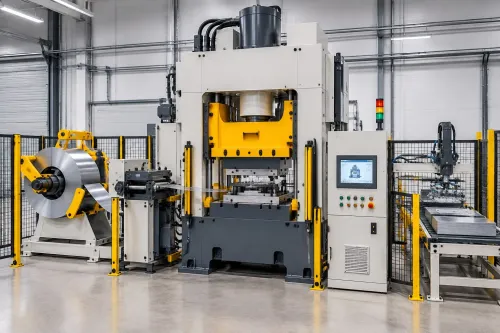

Manufacturers increasingly look beyond individual machines when planning automation, focusing on coordinated control, production visibility and maintainable systems that can evolve with operational requirements.
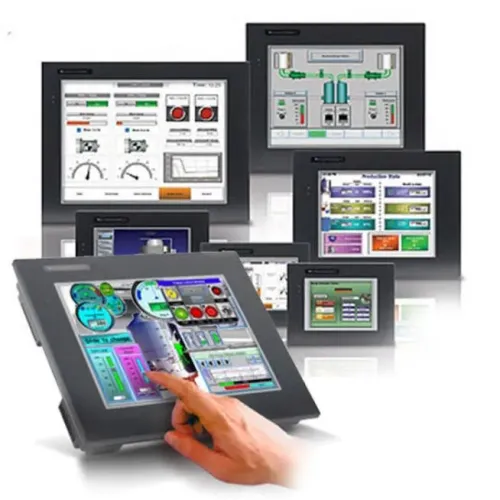
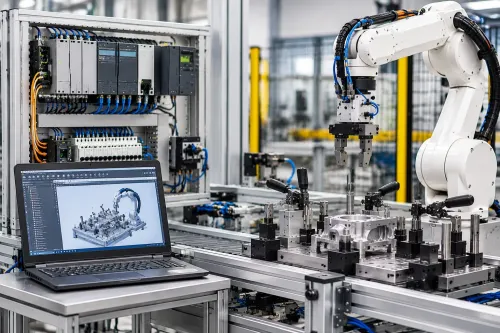
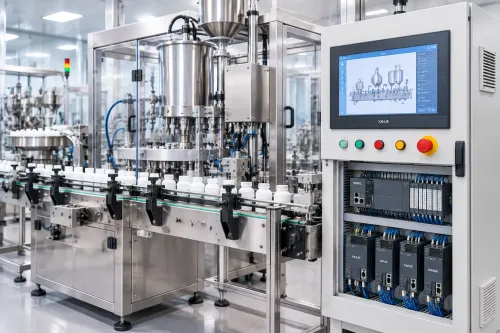
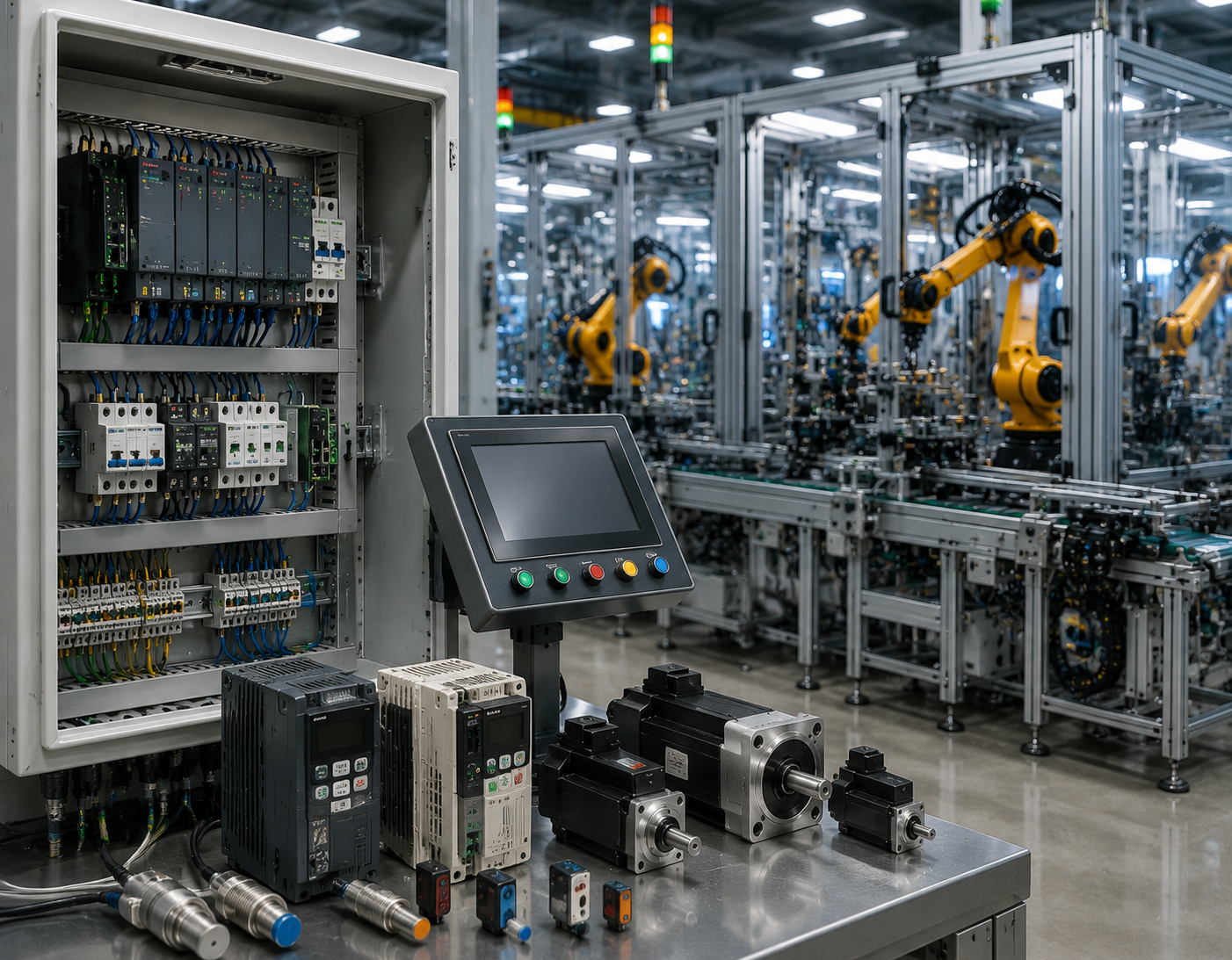
Industrial Automation can combine PLCs, HMIs, sensors, drives, control panels and communication networks into a coordinated production environment. The appropriate architecture depends on machine complexity, process requirements, operator interaction and existing electrical infrastructure.
A practical automation project begins with the production problem rather than the technology. Engineers can first identify repetitive operations, process-control requirements, critical signals and areas where inconsistent manual intervention affects output. This provides a clearer basis for selecting hardware and control architecture.
Brand selection should similarly follow application requirements. Siemens, Delta, Mitsubishi and Xinje can each be relevant depending on controller capability, communication requirements, machine configuration and existing plant equipment. A multi-brand approach can be particularly useful when modernization involves equipment installed at different stages.
Automation planning should also consider what happens after commissioning. Clear control logic, accessible panels, useful diagnostics and proper documentation can make future maintenance easier. Where expansion is expected, available I/O, communication capacity and system architecture should be considered during initial engineering.
For manufacturers, the most effective automation solution is not necessarily the most complex one. It should provide the required control and visibility while remaining practical for operators and maintenance teams.
For businesses evaluating automation requirements, IkodeAutomation can discuss Industrial Automation in Pune based on process needs, existing systems and future expansion plans.