
The right Pune course depends on the work you want to perform after training: writing PLC logic, commissioning SCADA, integrating robots, maintaining machines, or designing complete control systems. Compare the job task, course level, lab access, assessment evidence and certificate status before you enrol, rather than choosing from the course title alone.
Key takeaways
- Choose PLC, robotics or plant automation training based on your target job.
- Match course difficulty to your education, programming skills and commissioning experience.
- Demand projects using real PLCs, robot cells, sensors, HMIs and fault recovery.
- Verify the certificate issuer, assessment method, standards and employer recognition.
Choose the course by the job you want to perform
Match the course to the equipment and decisions you want to handle, not to the word “engineer” in its title. A PLC programmer needs logic, I/O mapping and commissioning; a robotics engineer needs cell programming, tooling and interlocks. A plant automation professional needs broader coverage across vendors.
| Role | Best course emphasis | Practical evidence to demand |
|---|---|---|
| PLC programmer | PLC hardware, ladder logic, function blocks, HMI tags and commissioning | A working sequence with I/O list, alarms, backup and test report |
| SCADA/HMI engineer | SCADA architecture, tag databases, trends, historian links, alarm management and industrial networking | A live HMI project with alarm rationalisation and communication fault recovery |
| Robotics engineer | Robot programming, frames, tools, paths, PLC handshakes and safety circuits | A robot-cell integration task with cycle testing and recovery from faults |
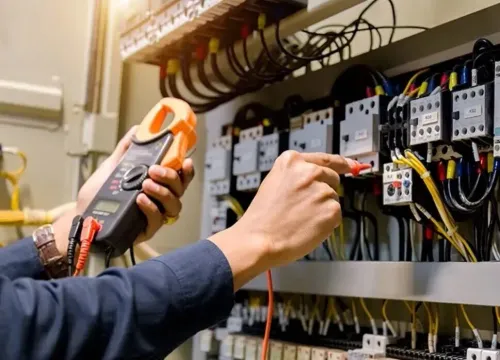
| Controls or maintenance engineer | Sensors, actuators, VFDs, servo motion, drawings and troubleshooting | Electrical diagnosis, drive setup and documented restart procedure |
| System integrator | Multi-vendor PLC, HMI, drives, robots, networks and customer documentation | A complete commissioning package spanning controls, motion and reporting |
| Plant automation professional | Process control, SCADA, maintenance strategy and production data | A retrofit or improvement project tied to machine availability or quality |
Choose a brand-specific course when your workplace uses that robot, PLC or drive platform. Choose a broader certified automation and robotics engineer course in Pune when you will inherit undocumented, mixed-vendor systems.
Treat an automation robotics certification in Pune as credible only when it identifies assessed technologies, versions, examination method and practical competency; course attendance alone is not ISO/IEC 17024 personnel certification.
Match the course level to your education and experience
Choose a foundation programme if you lack industrial controls experience, even with an electrical or mechanical diploma. It gives you the vocabulary and sequence needed to understand sensors, actuators, PLC hardware, ladder logic, HMI screens and basic fault finding.
| Option | Entry profile | Choose it when | Avoid it when |
|---|---|---|---|
| Foundation | Electrical, mechanical or electronics student; beginner in programming or industrial equipment | You need supervised lab practice and a complete base before applying for technician or junior PLC roles | You already commission PLCs, drives or robots independently |
| Advanced | Engineering graduate or diploma holder with PLC, SCADA, networking or maintenance experience | You want controls engineer, system integrator, robotics engineer or plant automation responsibilities | You cannot read electrical drawings or troubleshoot a running machine |
| Fast-track | Experienced electrician, maintenance engineer or programmer with proven plant exposure | You need targeted training on a new platform, robot, motion system or SCADA package | You expect a short course to replace hands-on commissioning experience |
A certified automation engineer course is worthwhile at advanced level only when its assessment proves what you can do: modify more than one IEC 61131-3 language, restore PLC and drive backups, troubleshoot communications, and return a cell to a safe state after a failed download.
Check the entry test for mathematics, English, programming and electrical-reading skills. Treat “fast-track” as focused upskilling, not a substitute for safety training or industrial practice. A completion certificate is not automatically an independently assessed professional certification.
Check whether the curriculum follows a real control-system sequence
A sound curriculum moves from electrical control fundamentals to commissioning, rather than jumping from a brand-name PLC tutorial to robot demonstrations. An industrial automation certification is credible only when each stage produces a usable control-system skill.
1. Cover control panels, three-phase power, relays, contactors, sensors, actuators, wiring diagrams, I/O lists and electrical drawings before PLC programming.
2. Teach PLC hardware, addressing, scan cycles, diagnostics and IEC 61131-3 methods: Ladder Diagram, Function Block Diagram, Structured Text and Sequential Function Chart.
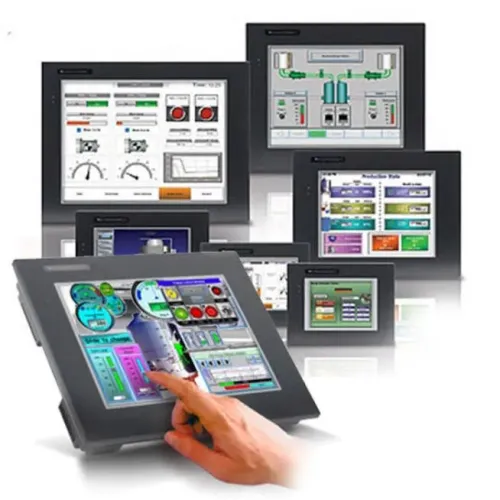
3. Require a working sequence that links PLC logic to HMI tags, alarms, trends, recipes and SCADA data. Students must create and modify screens, not merely watch a demonstration.
4. Include industrial Ethernet and fieldbus configuration, with named protocols such as PROFINET, EtherNet/IP, Modbus TCP, PROFIBUS or OPC UA. The syllabus must state the platform and software version assessed.
5. Add VFD parameterisation, motor control, servo sizing, homing, position moves and motion faults. A “drives” module without a commissioned motor or simulated axis is incomplete.
6. Teach robot programming, coordinate frames, tool data, interlocks and PLC-to-robot handshakes on a named platform such as ABB, FANUC or KUKA.
7. Separate functional safety from ordinary control. Cover IEC 61508, safety integrity levels, safety relays, safety PLCs, dual-channel inputs, monitored outputs, reset logic and validation; an emergency-stop button or standard PLC routine is not automatically a validated safety function.
Compare the course by these assessed tasks, lab records and fault-recovery exercises. A robot-brand course suits a matching installed base; a broader controls course suits integrators who inherit mixed-vendor equipment.
Test job readiness through hardware, projects and fault recovery
You can claim commissioning readiness only after completing an end-to-end cell task yourself and recovering it from deliberately introduced faults. Watching an instructor run an isolated robot is not enough: industrial work demands robot-to-PLC handshaking, permissives, interlocks, gripper I/O, part-present detection and controlled restart after an emergency stop.
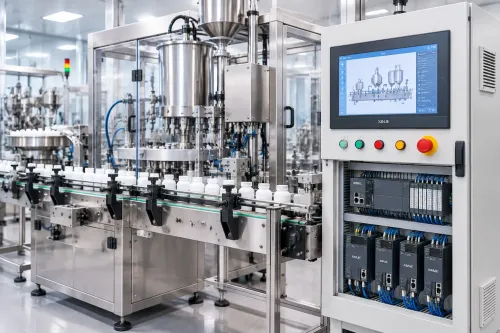
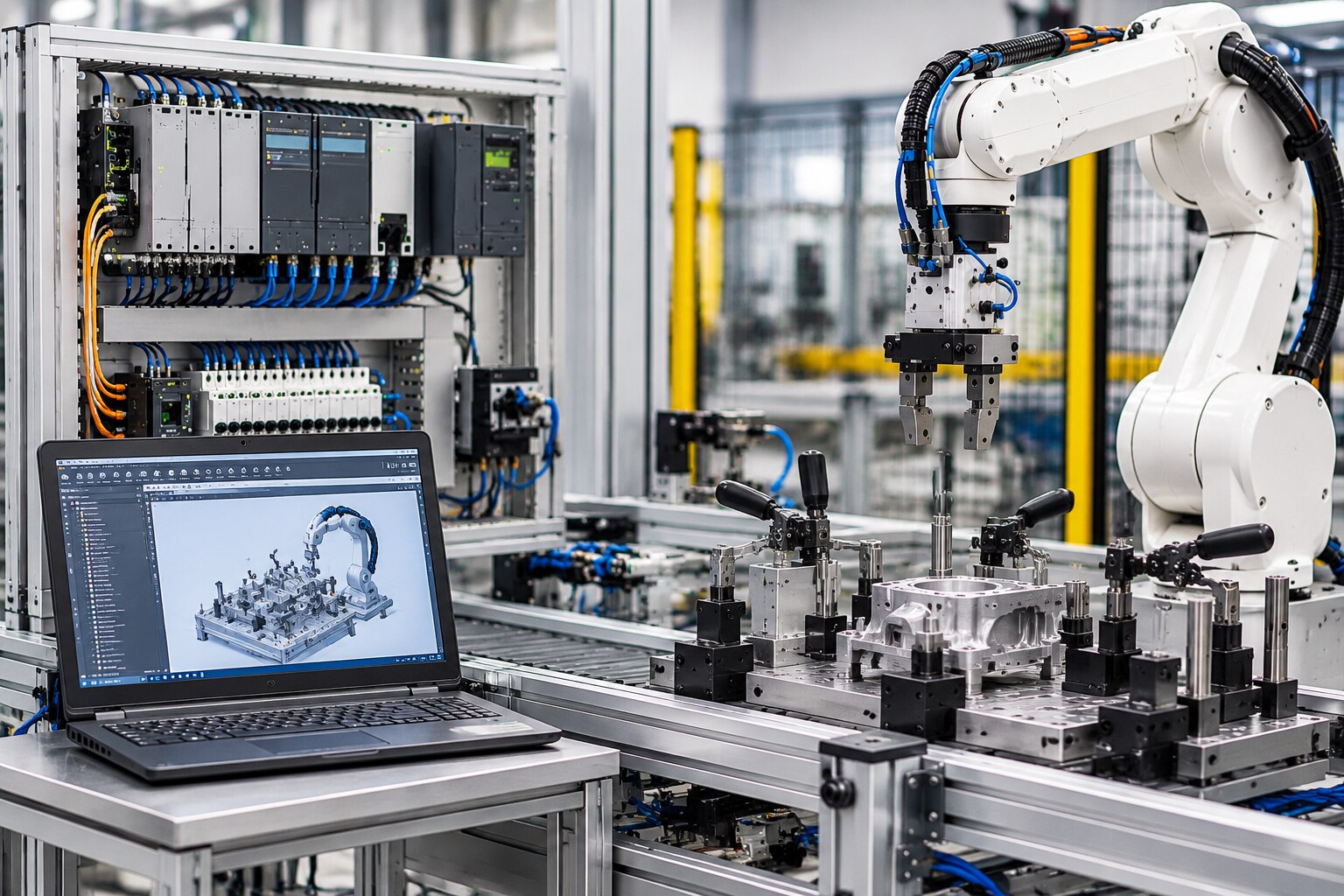
A credible robotics training institute in Pune should give each learner repeated access to a working PLC-and-robot cell, not one shared demonstration. Ask how many learners use each cell, whether you wire and trace I/O, and whether instructors create faults for you to diagnose without revealing the answer.
Your practical assessment should require you to:
- Map electrical I/O, create the sequence, program the PLC and configure HMI tags, alarms and operator controls.
- Set up a drive or motion axis, verify direction and limits, and record a cycle-time check.
- Program robot points, connect tooling signals, prove part-present logic, and test permissives.
- Find sensor, communication, safety-circuit and actuator faults, then perform homing and a controlled restart.
- Restore a backup, identify the changed version, and submit schematics, tag lists and a signed test report.
A multiple-choice exam or screenshot portfolio proves software exposure, not commissioning competence. Compare courses by learner-produced evidence: a completed test record, fault log, PLC and robot backups, and a witnessed final run. A certified automation engineer course that cannot show these assessment artifacts has not demonstrated job readiness.
Verify the certificate, standards and provider before enrolling
Course titles alone do not prove professional value. A “Certified Automation and Robotics Engineer course in Pune” might issue only a course-completion certificate, not personnel certification based on an independently documented competency scheme. Look for the assessor, examination rules, certificate scope and renewal process.
1. Ask whether the credential is a completion document or an independently assessed certification. A credible automation robotics certification in Pune names the examination method, pass criteria, identity controls and impartial assessor. If ISO/IEC 17024 conformity is claimed, ask for the certifying body’s scope and certificate number; do not treat “ISO certified” as proof.
2. Match the named standards to the work. An industrial automation certification should separate IEC 61508 functional safety from ordinary PLC programming and explain the safety lifecycle and safety integrity levels. It should benchmark programming against IEC 61131-3, including Ladder Diagram, Structured Text, Function Block Diagram and Sequential Function Chart.
3. Request assessment evidence before paying. A serious certified automation engineer course requires I/O mapping, sequence design, PLC and HMI implementation, drive or motion setup, alarm handling, backup/version control and a commissioning test report. Multiple-choice questions alone do not prove fault-finding ability.
4. Verify lab access, trainer experience and assessed project records. Ask IkodeAutomation |08048033508 for exact platforms, versions, lab hours and a sample rubric, then compare those details with another Pune provider. A brand list without tasks, versions and pass evidence is a marketing label, not proof of competence.
Related products
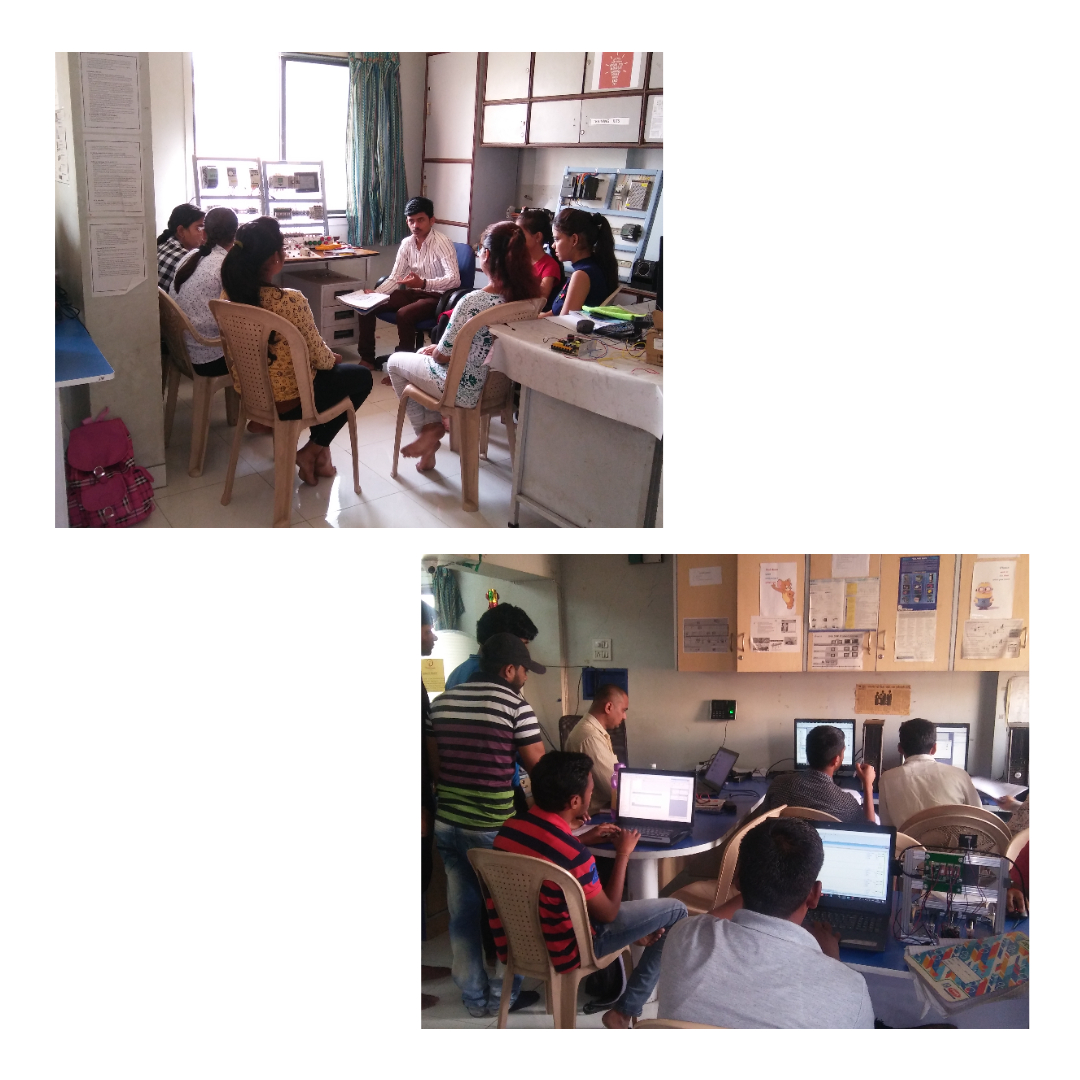 | Automation Training Certified Automation And Robotics Engineer A Certified Automation And Robotics program would typically cover the fundamentals of automation and robotics, as well as the technologies and tools... View product → |
 | Automation Training Automation Courses in Pune – Practical Industrial Automation Training Looking for Automation Courses in Pune to build practical skills for the industrial automation industry? IKODEAUTOMATION in Bhosari, Pune offers... View product → |
Frequently asked questions
How do you choose an automation and robotics course in Pune?
Choose by the work you want to perform. PLC roles require logic, I/O mapping and commissioning; robotics roles require cell programming, tooling and interlocks; plant automation roles need broader vendor coverage.
What course level matches your education and experience?
Beginners need electrical, sensors, control logic and safety foundations. Diploma and engineering graduates can choose intermediate PLC, HMI, SCADA or robotics training. Experienced technicians need advanced commissioning, diagnostics and system integration.
What should a real automation curriculum include?
Look for a control-system sequence covering electrical drawings, sensors and actuators, PLC programming, HMI, SCADA, industrial networks, safety circuits, commissioning and maintenance.
How can you verify an automation certification before enrolling?
Check who issues the certificate, how you are assessed, whether practical work is documented, which standards are taught and whether the provider can show trainer experience, equipment and project outcomes.
Related products
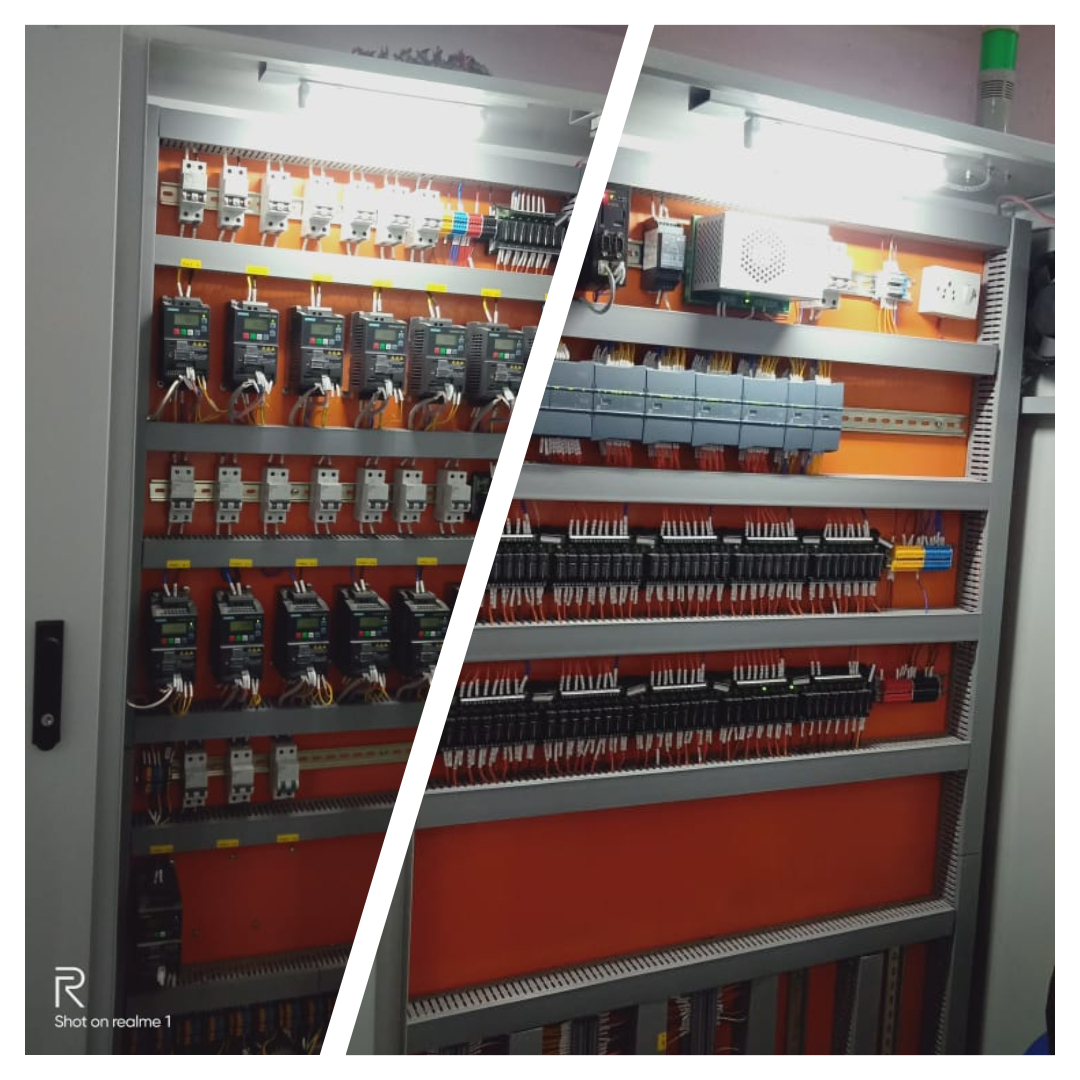 | Automation Training A Certified Automation Engineer is a professional who has earned certification in the field of automation and robotics. View product → |
 | Automation Training PLC and SCADA Training with Placement in Pune – IKODEAUTOMATION Practical PLC SCADA Training with Placement Support in Pune Looking for PLC SCADA Training with Placement in Pune? IKODEAUTOMATION in Bhosari, Pune... View product → |
 | Automation Training PLC Automation Training in Pune Practical Industrial Automation Course Learn PLC Automation with Practical, Industry-Oriented Training in Pune Looking for PLC Automation Training in... View product → |
 | Automation Training PLC Programming Training in Pune Practical PLC Programming Training in Pune - Looking for PLC Programming Training in Pune to build practical skills in industrial automation?... View product → |