
Production lines rarely remain static. New machines, upgraded controllers and additional monitoring systems can gradually create a mixed automation environment that requires coordinated integration.
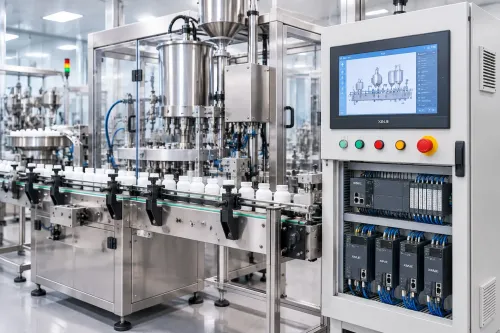
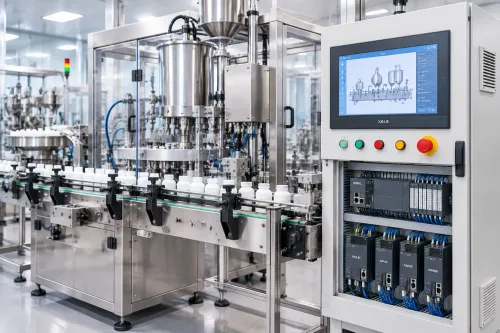
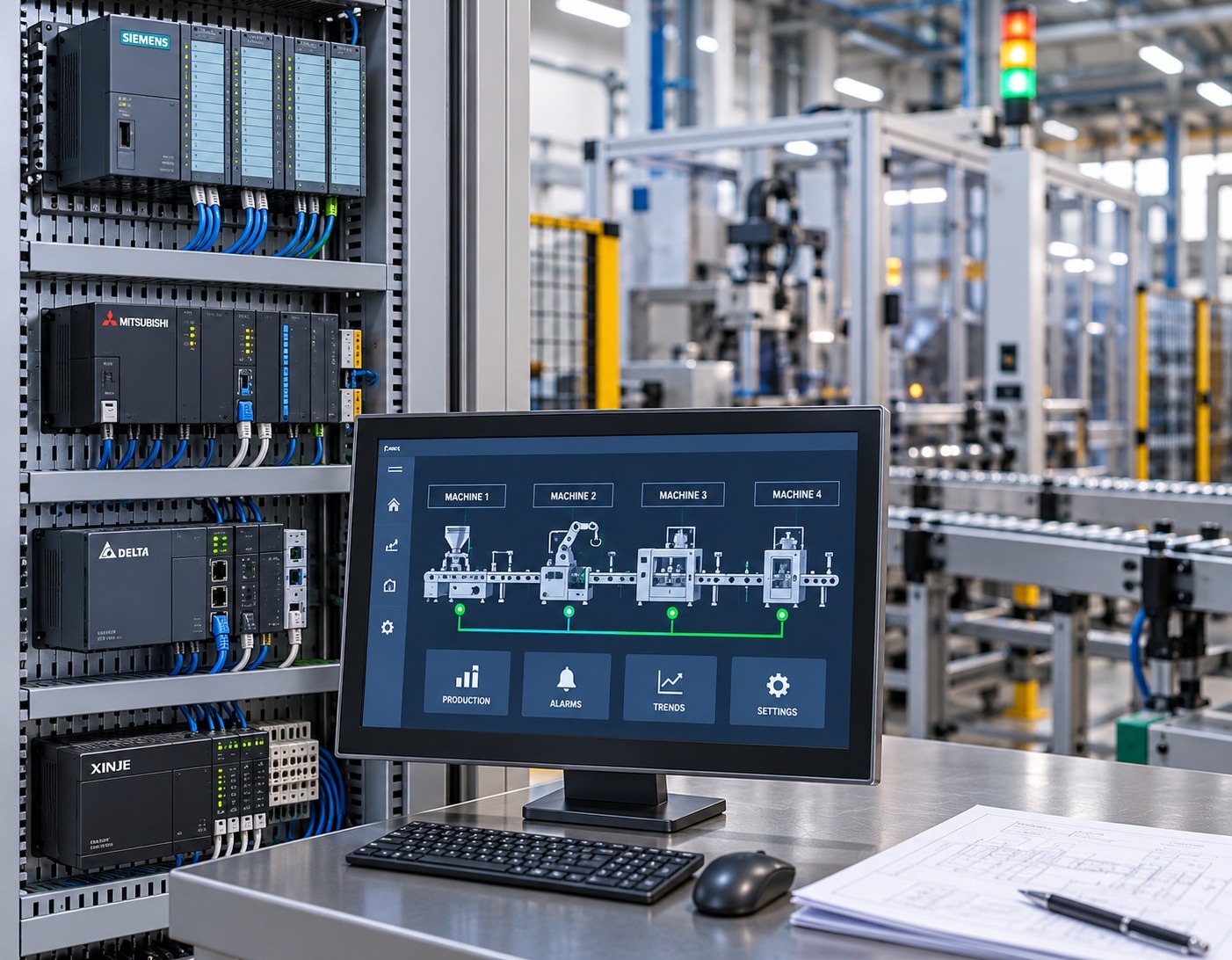
Automation System Integration connects controllers, drives, HMIs, sensors, communication networks and other automation elements around a defined production objective.
The first step is understanding the existing architecture. Engineers can identify machine interfaces, critical signals, communication requirements and control responsibilities before introducing new equipment.
Multi-brand compatibility can be especially important during modernization. A facility may contain Siemens equipment alongside Delta, Mitsubishi or Xinje systems. Rather than automatically replacing existing hardware, the integration approach can evaluate what each system can continue to support and how required information can be exchanged.
Signal mapping is a critical part of this process. Each controller needs clearly defined information about what it receives, what it sends and which equipment has authority over a particular function.
Testing should cover the complete production sequence rather than isolated devices. Communication, interlocks, alarms and recovery conditions can all affect the performance of the integrated system.
Documentation should also be updated after implementation. Network information, I/O mapping and control responsibilities provide valuable references for maintenance teams and future modifications.
For Bengaluru manufacturers connecting new and existing automation equipment, IkodeAutomation can discuss Automation System Integration based on the production architecture, communication requirements and modernization objectives.