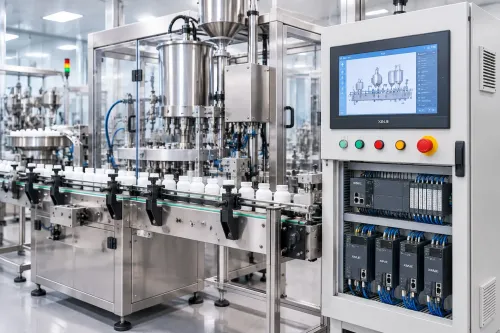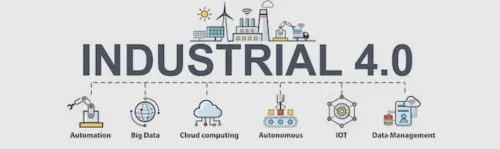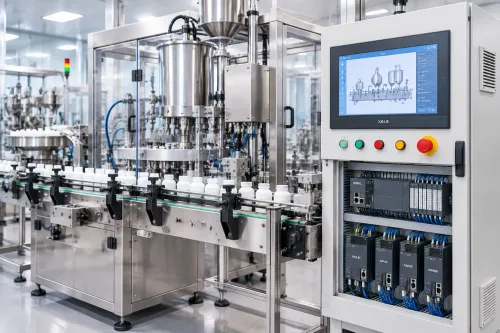

Manufacturing modernization often involves more than replacing a PLC or installing a new machine. Existing electrical systems, production sequences, operator interfaces and communication networks may all need to work together.
An Industrial Automation System Integrator coordinates these technical elements around the operational requirements of the manufacturing process.
A project can involve control architecture, PLC development, HMI configuration, drive integration, industrial communication, field-device coordination, testing and commissioning.
Multi-platform environments require an application-focused approach. Siemens, Xinje, Delta and Mitsubishi technologies may be present across different machines or production stages. The integration strategy should consider existing capabilities, required interfaces and the functions that actually need to be exchanged.
Clear control boundaries are particularly important. Each machine or subsystem should have a defined role, while shared signals and supervisory functions need to be mapped accurately.
Commissioning should verify more than whether individual devices operate. Complete sequences, interlocks, alarms and communication between systems should be tested under representative conditions.
Long-term support should also influence integration decisions. Structured programs, useful diagnostics and updated documentation can reduce dependence on project-specific knowledge.
For manufacturers considering plant upgrades, machine integration or multi-platform automation, IkodeAutomation can discuss Industrial Automation System Integrator requirements in Bengaluru based on the existing infrastructure and project objectives.