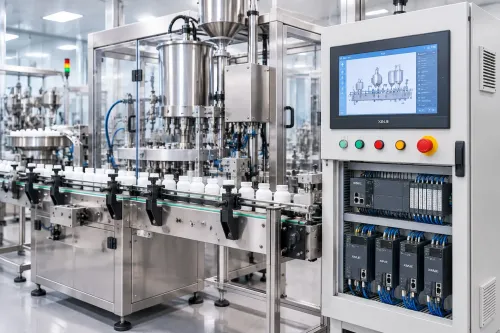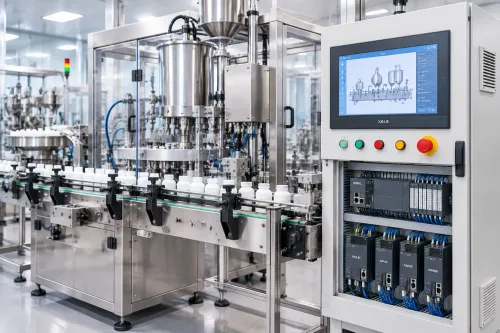

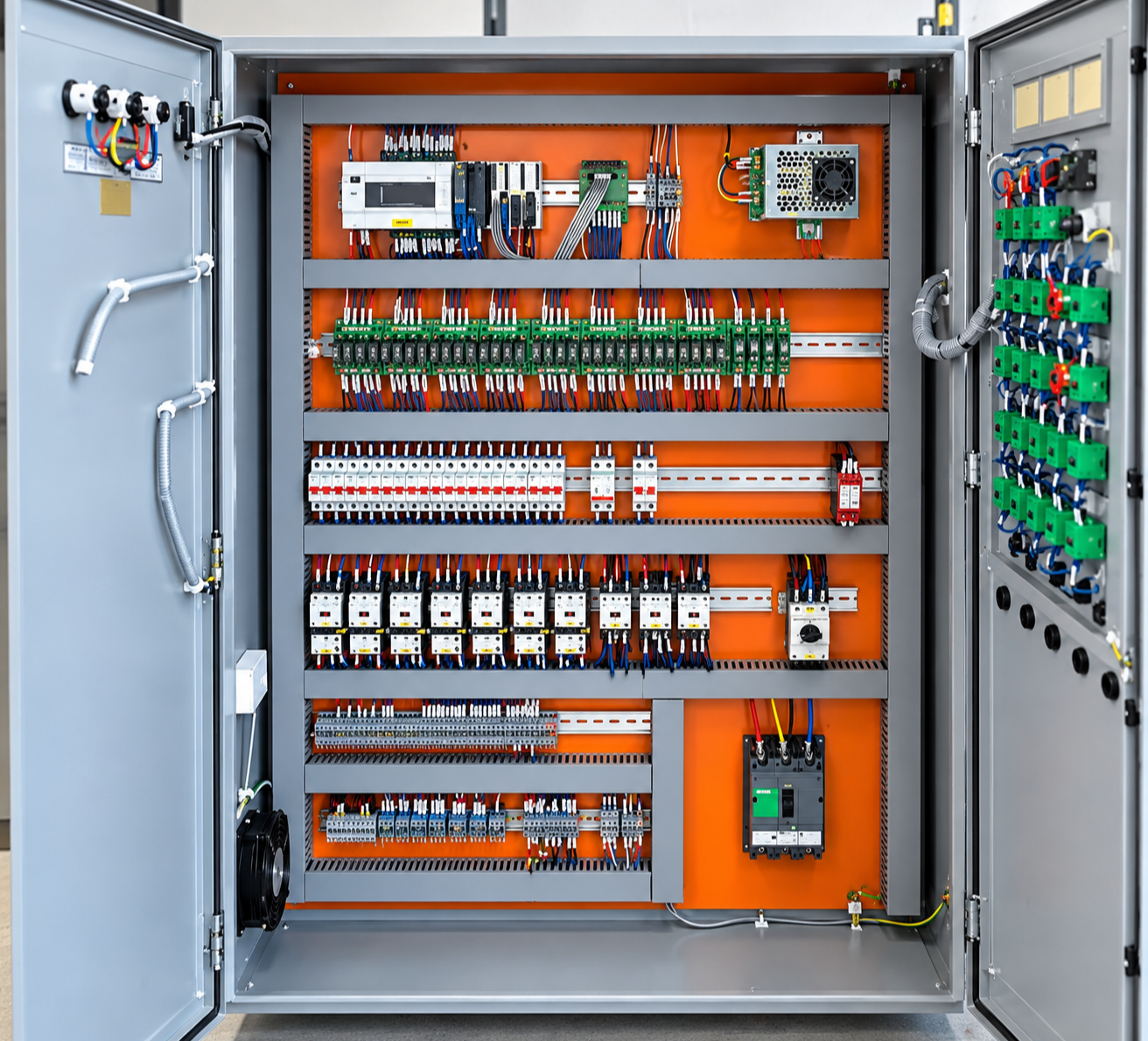
A machine control panel brings together electrical protection, automation hardware and field connections. Its effectiveness depends on how well these elements correspond with the machine's operating sequence.
A PLC Control Panel can incorporate a programmable controller, power supply, protection devices, I/O, terminals, drives and communication equipment according to the application.
The design process should begin with an understanding of machine inputs and outputs. Sensors, actuators, motors, operator controls and interlocks should be identified before determining the final panel arrangement.
Controller selection should follow the wider machine architecture. Siemens, Delta, Mitsubishi or Xinje may be considered where their capabilities align with control complexity, communication requirements and existing equipment.
Panel layout can directly influence commissioning and maintenance. Clearly labelled terminals, logical wiring routes and accessible components make it easier to trace signals and identify hardware during troubleshooting.
Electrical protection should also correspond to the equipment being controlled. Power circuits, control circuits and automation electronics can have different requirements that need to be addressed in the overall design.
Future expansion can influence the initial configuration as well. Additional I/O or communication requirements may be easier to accommodate when they are considered before the panel is finalized.
A properly engineered panel should therefore be evaluated as part of the complete machine-control system rather than simply as an enclosure containing a PLC.
For machine builders and manufacturers reviewing control-panel requirements, IkodeAutomation can discuss PLC Control Panel solutions in Bengaluru according to machine architecture and operational needs