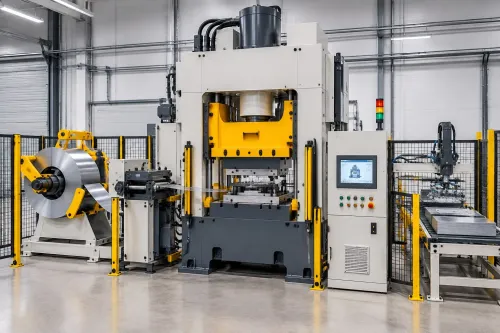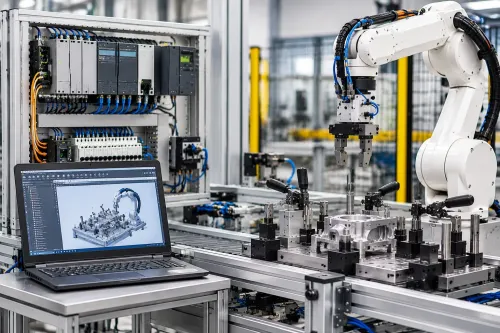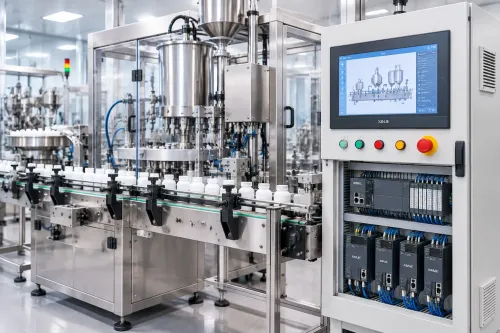

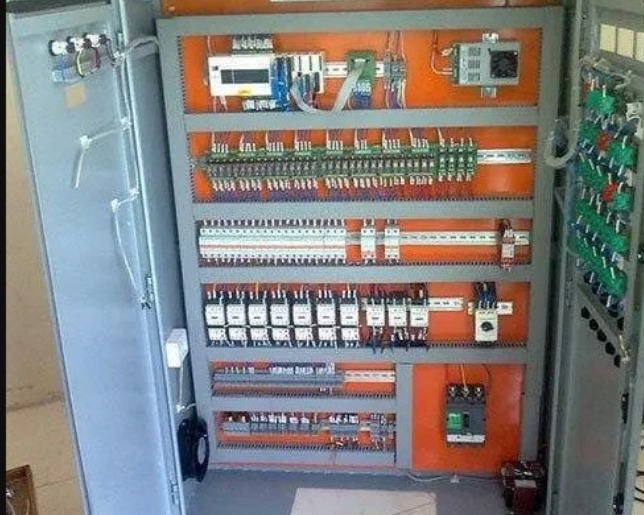
A machine control panel has to accommodate electrical power, automation hardware and field connections in a way that supports dependable operation and practical maintenance.
A PLC Control Panel generally combines a programmable controller with power supplies, protection devices, I/O, terminals, communication components and other automation hardware required by the machine.
Design begins with understanding the machine sequence. Sensors, actuators, motors, operator controls, interlocks and communication requirements should be mapped before the panel architecture is finalized.
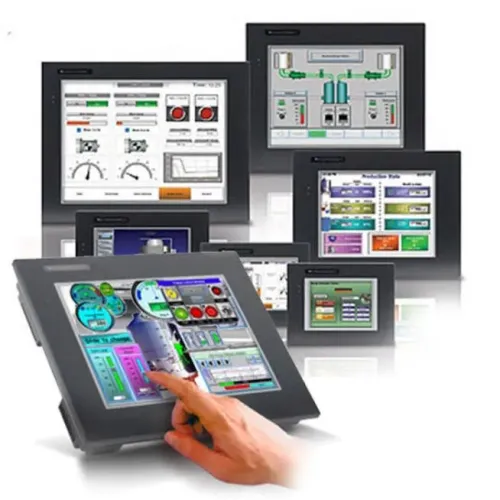
Controller selection can vary according to the application. Siemens, Delta, Mitsubishi or Xinje platforms may be considered where they fit the required control functions and existing system architecture. Compatibility with drives, HMIs and field devices is an important part of this decision.
Panel layout also has operational consequences. Components that require inspection or replacement should remain accessible, while wiring and terminal organization should make circuit identification easier. Power and control sections may also require thoughtful arrangement based on the electrical design.
Future modifications are another consideration. Where additional signals or devices are reasonably foreseeable, appropriate provisions can make later expansion more manageable.
For procurement and engineering teams, documentation should be part of the panel requirement. Drawings, terminal schedules and component references can support commissioning, maintenance and future troubleshooting.
A well-engineered panel should therefore be evaluated as part of the complete machine rather than simply as an enclosure containing a PLC.
For machine-control projects requiring careful electrical planning, IkodeAutomation can discuss PLC Control Panel requirements in Pune according to the equipment and control architecture.